

Why do people gamble despite the risks involved?
Why do people gamble despite the risks involved?
The Thrill of the Game
Gambling often offers an adrenaline rush that draws people in. The excitement of betting on a game, the anticipation of winning, and the immediate feedback of the results create a stimulating experience. Many individuals find themselves caught up in the atmosphere of casinos or online platforms, feeling an intoxicating thrill that is hard to resist. This rush often overshadows the potential risks, leading players to chase that fleeting high with each wager they place.
Moreover, the sense of competition that can surface among gamblers contributes to the excitement. Whether in a poker game or during a sports betting event, the drive to outperform others can create an electric atmosphere that enhances the overall experience of gambling. This competitive edge often leads individuals to ignore their better judgment regarding the inherent risks involved.
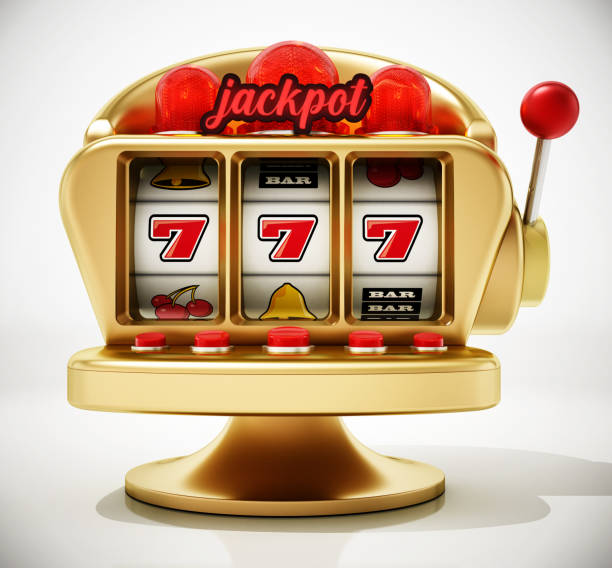
In addition to these factors, gamblers often develop a strong emotional attachment to the games they play. This personal connection can deepen their engagement, making them more likely to overlook the negative consequences. Whether it’s a favorite slot machine or a beloved card game, the familiarity adds layers to the experience, drawing players in even further.
The Allure of a Big Win
The prospect of hitting a jackpot or winning a substantial payout is profoundly appealing to many individuals. The idea that one bet could change their life creates a compelling narrative for those who gamble. Stories of winners are highlighted in advertisements and social media, showcasing glamor and wealth. These alluring tales contribute to a mindset where the possibility of winning can overshadow the real danger of losing money.
Furthermore, many gamblers become influenced by the “near-miss” phenomenon, where they come close to winning, encouraging them to continue playing despite the setbacks. This can create a cycle of gambling behavior, as the potential for a big win keeps players engaged and hopeful, often leading them to disregard the risks associated with their gambling habits.

Interestingly, marketing strategies employed by gambling establishments often amplify these feelings. Promotional tactics showcase large payouts and enticing offers, reinforcing the allure of chasing that elusive big win. This constant messaging serves to normalize gambling behavior and make the risks seem more manageable, further blurring the line between entertainment and danger.
Social Factors and Community Aspects
Gambling is frequently seen as a social activity, allowing individuals to bond with friends or meet new people in a casino setting. The communal experience of cheering for a sports team or participating in a poker night fosters a sense of belonging. For many, gambling becomes a way to socialize and connect with others, making the risks seem less significant in light of the social benefits.
Additionally, peer pressure can play a crucial role in one’s decision to gamble. Friends and family who engage in gambling can unintentionally encourage those around them to participate as well, creating a circle of influence where the perceived risks become secondary to the desire for acceptance and enjoyment within the group.
Beyond peer pressure, cultural influences also shape people’s views on gambling. In some societies, it is celebrated as a form of entertainment, further encouraging individuals to partake without considering the potential consequences. This societal acceptance can foster an environment where gambling is viewed as a normative activity, potentially leading to increased participation and, subsequently, higher risks.
Escapism and Coping Mechanism
For some individuals, gambling serves as an escape from everyday life pressures, offering a temporary relief from stress or anxiety. The immersive nature of games can distract players from their problems, providing a sense of control and agency, even if it’s an illusion. This escape can be particularly tempting for those facing challenging emotional or financial situations.
Moreover, gambling can become a coping mechanism for those who struggle with mental health issues. The rush of gambling may momentarily alleviate feelings of depression or loneliness, leading individuals to engage more deeply with their gambling habits. This repeated behavior can result in a precarious cycle of risk, where the short-term thrill masks the long-term consequences.
As this behavior continues, some individuals risk developing a dependency on gambling as their primary means of coping. Over time, this can further entrench them in a cycle of risk and reward, making it increasingly difficult to break free from gambling’s hold. Recognizing these patterns is crucial for individuals looking to find healthier ways to cope.
Understanding Gambling Online and Resources
As gambling evolves, online platforms have become increasingly popular, making it more accessible than ever. Players can easily place bets, access various games, and participate from the comfort of their homes. This availability can blur the lines regarding responsible gambling, as the convenience often makes it easy to overlook the risks involved.
One resource for individuals interested in exploring online gambling is icombet, which offers insights and reviews of various gambling platforms. Such resources can help players make informed decisions and understand the implications of their choices. Ultimately, acknowledging the reasons behind gambling behavior is crucial in encouraging responsible play while navigating the exciting world of betting.
Moreover, it’s vital for gamblers to seek support if they find themselves struggling with their habits. Various organizations and hotlines exist to provide assistance, education, and coping strategies to help mitigate the risks of gambling. By prioritizing education and awareness, individuals can make healthier choices and enjoy the fun aspects of gambling without falling prey to its potential dangers.


Comment (0)