

Exploring the differences between online and offline gambling experiences
Exploring the differences between online and offline gambling experiences
The Environment of Gambling
The environment in which gambling occurs significantly influences the overall experience. Offline gambling typically takes place in vibrant casinos, filled with sights and sounds designed to heighten excitement. These establishments offer an immersive atmosphere where players can interact with one another and with dealers, creating a social dynamic that can enhance enjoyment. In the midst of exploring various gaming options, many players are drawn to Cricket Duel, which combines competitive thrill with instant betting action. The physical presence of luxurious decor, flashing lights, and the hustle and bustle of fellow gamblers contribute to an exhilarating experience that online platforms strive to replicate.
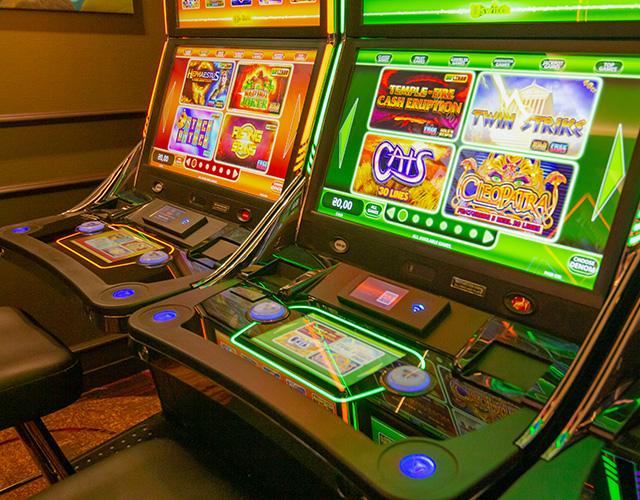
Conversely, online gambling offers convenience and accessibility that physical venues cannot match. Players can engage in their favorite games from the comfort of their homes or on the go using mobile devices. The online experience is devoid of the distractions and sensory overload of a casino, allowing players to focus solely on their strategies. This shift in environment can cater to different types of gamblers—those who prefer social interactions and live experiences versus those who seek the solitude and convenience of online platforms.
Moreover, online gambling environments often include interactive features such as live chat options and virtual avatars, enabling players to simulate the social aspect of traditional casinos. These advancements provide a unique blend, where the virtual experience seeks to capture the excitement of the physical realm while introducing innovative elements that are only possible online. Ultimately, the choice of environment can shape a player’s overall gambling experience, with each option providing distinct advantages and challenges.
Game Variety and Accessibility
One of the most striking differences between online and offline gambling is the variety of games available. Offline casinos typically have limited space, restricting the number of games they can offer. In contrast, online platforms can host an extensive array of games, ranging from classic table games like poker and blackjack to innovative slots and live dealer games. This abundance allows players to explore various options and find games that suit their preferences, skill levels, and strategies.
Accessibility is another critical factor in the online versus offline debate. Online gambling platforms operate 24/7, allowing players to engage whenever they choose, without being confined by the operating hours of physical casinos. This flexibility appeals to those with busy schedules or varying time zones. Additionally, online platforms often feature demo modes, enabling players to try out games without risking real money, which can be especially beneficial for beginners looking to hone their skills before diving into actual wagering.
Furthermore, the rise of mobile gambling has revolutionized accessibility, with many platforms offering optimized applications for smartphones and tablets. This means players can enjoy their favorite games while commuting, traveling, or relaxing at home, making it easier than ever to indulge in gambling. The combination of a vast selection of games and the ability to play anytime and anywhere provides a compelling argument for many players to choose online gambling over its offline counterpart.
Social Interaction and Community
Social interaction plays a pivotal role in the gambling experience. Offline casinos are inherently social environments where players can engage with one another, share experiences, and develop camaraderie over time. This interaction often enhances the thrill of gaming, with players cheering for one another or commiserating over losses. The physical presence of dealers and fellow players adds a layer of excitement that many find appealing, creating a sense of community among gamblers.
Online gambling, while traditionally seen as solitary, has evolved significantly in terms of social interaction. Many platforms now incorporate live dealer games, where players can interact with real dealers via video streaming. These games simulate the atmosphere of a casino while allowing players to engage in real-time chat, fostering a sense of community despite the digital nature of the interaction. Moreover, online forums and social media groups have emerged, enabling players to connect, share strategies, and discuss their experiences, bridging the gap that once existed between offline and online gambling communities.
However, the quality of social interaction varies greatly between the two environments. While offline casinos offer spontaneous social encounters, online platforms require players to be more intentional about engaging with others. The lack of face-to-face interaction can sometimes lead to a feeling of isolation, particularly for those who thrive on the vibrancy of a casino environment. Understanding these differences is essential for players to choose the gambling experience that best suits their social needs and preferences.
Safety and Regulation
Safety is a crucial consideration in both online and offline gambling, but the two environments approach regulation differently. Offline casinos are generally heavily regulated by governmental bodies, ensuring that they adhere to strict standards regarding fairness, security, and responsible gaming. Players can often trust that the games are fair, and that their transactions are secure due to the oversight of these organizations.
Online gambling, on the other hand, presents a more complex landscape. While many reputable online casinos are licensed and regulated by recognized authorities, the sheer volume of platforms means that players must exercise caution. Scams and unregulated sites can pose significant risks, making it essential for players to conduct thorough research before engaging with any online gambling platform. However, when players choose licensed sites, they often benefit from advanced security measures, such as encryption technology, which enhances the safety of their transactions.
Additionally, responsible gaming initiatives have gained traction in both domains, but they manifest differently. Offline casinos often have staff trained to identify problem gambling behaviors and can intervene directly. In contrast, online platforms employ algorithms and analytics to monitor player activity and can provide alerts or self-exclusion options. Ultimately, understanding the safety measures and regulatory frameworks of both environments is essential for players to make informed decisions about their gambling experiences.

Choosing the Right Experience for You
Deciding between online and offline gambling ultimately comes down to personal preference and individual priorities. For those who cherish the ambiance of a bustling casino and enjoy socializing with other players, offline gambling may offer a more fulfilling experience. The thrill of being part of a live event, coupled with the sensory engagement of sights and sounds, can be hard to replicate in a virtual setting.
However, if convenience, variety, and flexible gaming options are priorities, online gambling presents a compelling alternative. The ability to access games anywhere and anytime, combined with a broader selection and opportunities for anonymity, appeals to a growing number of players. Additionally, online platforms often provide various bonuses and promotions that can enhance the gaming experience and improve winning potential.
Ultimately, both online and offline gambling experiences offer unique advantages and disadvantages. By evaluating personal preferences, gaming habits, and comfort levels with technology, players can choose the option that best aligns with their lifestyle. As the gambling landscape continues to evolve, understanding these differences will help individuals make informed choices that enhance their gaming experiences.


Comment (0)